




In a country as diverse and dynamic as Nigeria, good intentions alone are not enough to solve complex challenges in health, education, or social welfare. Real, lasting change comes from understanding what works — and why it works. That’s where evidence-based programs come in.
At Ifunanya Care Initiative (ICI), we believe that before implementing any program, it’s essential to first listen, learn, and gather evidence. This ensures that our interventions truly meet the needs of the people we aim to serve, rather than assuming what those needs are.
What Does “Evidence-Based” Mean?
An evidence-based program is one that is guided by reliable data, research, and proven outcomes — not just by ideas or trends. It combines local insights with scientific methods to ensure that every intervention has a measurable and meaningful impact.
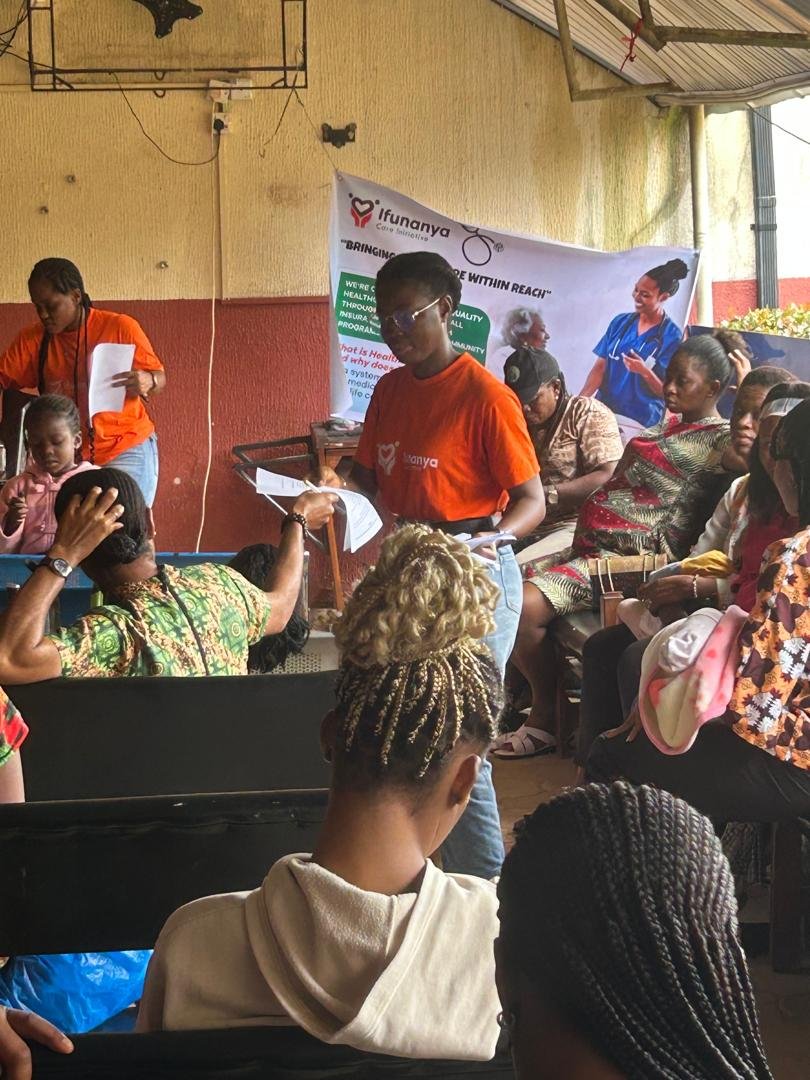
For instance, before launching our upcoming Health Insurance Awareness and Access Program, our team is currently collecting data across schools, hospitals, churches, and online communities. We want to understand how Nigerians use health insurance, what barriers they face, and what misconceptions exist.
This research will help us design programs that are inclusive, realistic, and sustainable.
Why This Matters
Too often, programs in Nigeria are launched without solid data to guide them. The result? Good projects that fail to reach the right people, or that fade away because they weren’t built on a clear understanding of local realities.
By investing time in research and evidence gathering, we can:
- Identify real community needs instead of perceived ones.
- Design solutions that are both culturally and economically practical.
- Measure what’s working — and continuously improve it.
- Build credibility and attract strong partnerships.
Evidence-informed policy-making ensures that decisions about health interventions are grounded in the best available data and contextual understanding. (WHO, 2023)
Our Commitment at ICI
For us at ICI, data is not just numbers — it’s stories of people and communities.
By collecting and analyzing this information, we’re not only shaping better programs but also building a future where every intervention we make is rooted in truth, compassion, and impact.
Our evidence-based approach means we act with clarity, not guesswork — and we invite others to join us in this journey toward more effective, people-centered development in Nigeria.
Stay tuned to see how your voices and experiences are shaping programs that put people first.
————————————————————–
📧 Want to get involved or support our data-driven initiatives? Reach us at info@ifunanyacare.org
References:
1. World Health Organization (2023). Evidence-informed policy-making for health. Retrieved from https://www.who.int
2. United Nations Development Programme (2022). Why data matters for sustainable development in Africa.